BRINGING HOME YOUR NEW KITTEN
SHOPPING LIST FOR CHRISTYPAW KITTEN
ROYAL CANIN PERSIAN KITTEN DRY FOOD
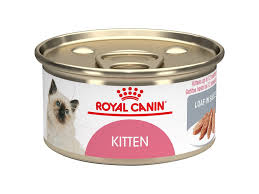
ROYAL CANIN LOAF IN SAUCE CANNED KITTEN FOOD
Kitty Bloom VM 900+3 Powder
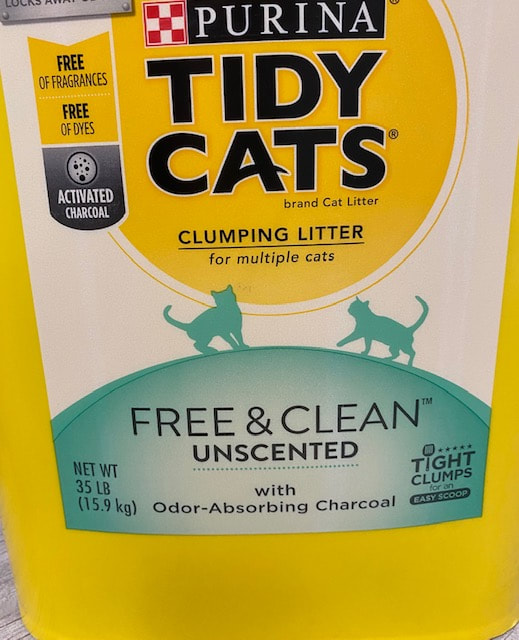
TIDY CAT CLUMPING FREE & CLEAN CAT LITTER
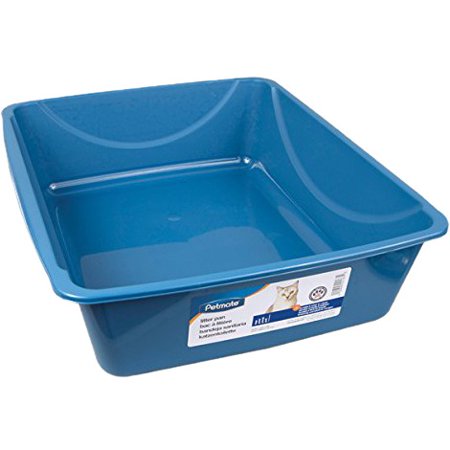
STANDARD RECTANGLE LITTER BOX
FOOD AND WATER BOWL
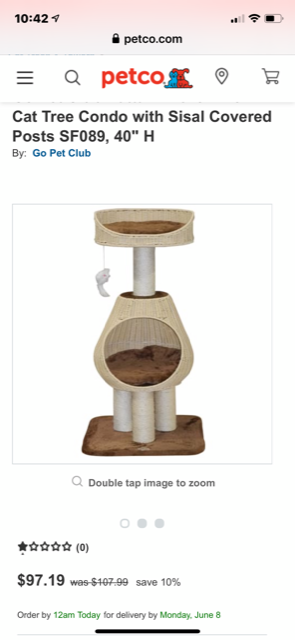
SCRATCHING POST
CAT CARRIER
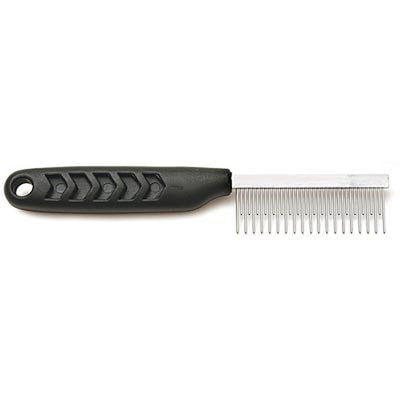
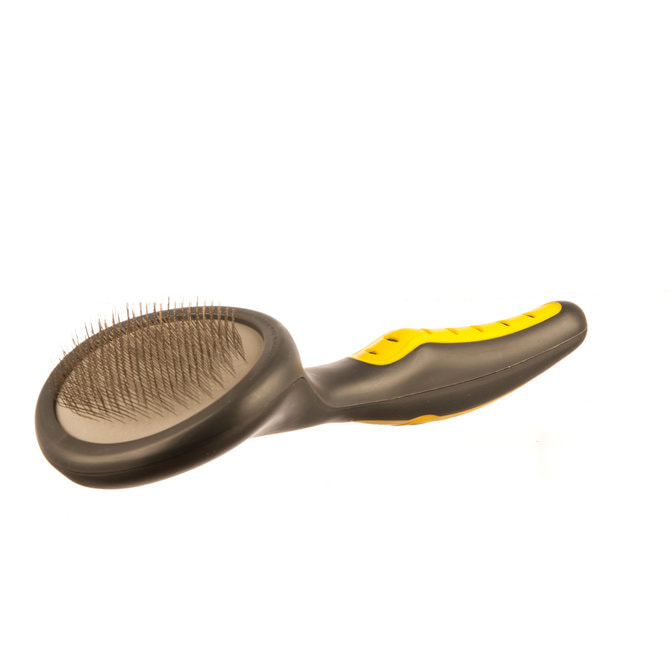
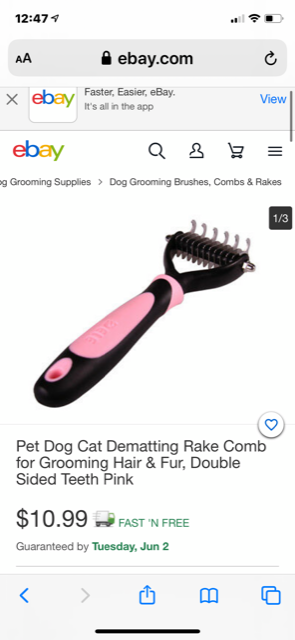
SHEDDING COMB AND SLICKER BRUSH
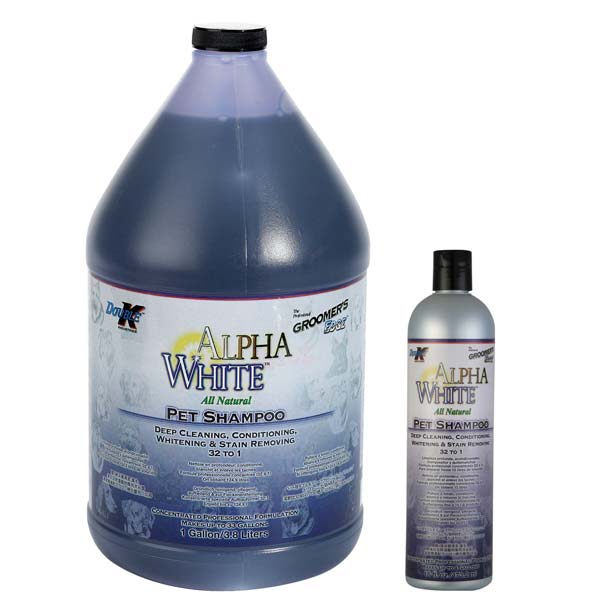
Alpha White Shampoo
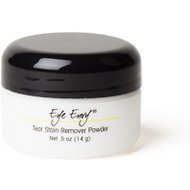
Eye Envy (most of my kittens are eye drainage free so do not automatically buy this)
TOYS
BED
ROYAL CANIN LOAF IN SAUCE CANNED KITTEN FOOD
Kitty Bloom VM 900+3 Powder
TIDY CAT CLUMPING FREE & CLEAN CAT LITTER
STANDARD RECTANGLE LITTER BOX
FOOD AND WATER BOWL
SCRATCHING POST
CAT CARRIER
SHEDDING COMB AND SLICKER BRUSH
Alpha White Shampoo
Eye Envy (most of my kittens are eye drainage free so do not automatically buy this)
TOYS
BED
Cat-Proofing Your Home Kittens are inveterate snoops and their favorite toys might be harmful to them: things like the cords on blinds, electrical cords, or yummy (and toxic) plants to nibble. They can also do a certain amount of damage with their little needle claws by climbing curtains or your good furniture. Therefore a certain amount of catproofing will be necessary. The first thing you need to do is place yourself physically down at the level of a cat, by sitting or even lying on the floor. Look up and around at all the interesting things to play with. From this vantage point you can make a list of hazards and breakables that you will need to deal with.
Before you bring your new cat or kitten home, there are a number of things to collect or buy, so your cat will feel like a family member rather than a visitor. Do this a few days in advance to save stress on the "big day". In the excitement of bringing your cat home, you don't want to suddenly discover at 8 p.m. that you forgot to buy cat food. Here are the minimum essentials your cat will need:
Before you bring your new cat or kitten home, there are a number of things to collect or buy, so your cat will feel like a family member rather than a visitor. Do this a few days in advance to save stress on the "big day". In the excitement of bringing your cat home, you don't want to suddenly discover at 8 p.m. that you forgot to buy cat food. Here are the minimum essentials your cat will need:
- Food
If you can talk to the care giver in the cat's last home, it's probably best to give your new pet whatever food she's accustomed to. If you acquire a cat from a breeder, more often than not, their contract will either strongly suggest or require you to feed a certain kind of food:- Kittens -
I feed my kittens ROYAL CANIN PERSIAN KITTEN DRY FOOD which I leave available at all times to eat as much as they want at free will. ROYAL CANIN LOAF IN SAUCE CANNED KITTEN FOOD is given once daily. Give 1/4 can per day, I add a tablespoon of hot water to make it juicy and more appetizing. I mix in Kitty Bloom VM 900+3 powder (1/8 teaspoon) into the canned food. Do not give more than 1/4 can per day as this can cause loose stool if you feed too much wet food. Your kitten needs to stay on Royal Canin Persian Kitten for at least a month as changing diet is stressful to a kitten and should not be done at the same time you put them through the stress of moving to a new home, although I would recommend they stay on Royal Canin unless you are having some type of issue with it.
Adult Cats
Once your Persian cat reaches the age of 12 months, you can transition your kitty onto ROYAL CANIN PERSIAN DRY CAT FOOD, this isn’t an emergency, it can be done anytime between 12-18 months old. For my adult cats, they actually prefer HILL’S SCIENCE DIET INDOOR ADULT SAVORY CHICKEN ENTREE CANNED CAT FOOD. If you get an adult cat from me, I recommend you keep them on this diet.
- Kittens -
Food and Water Bowls
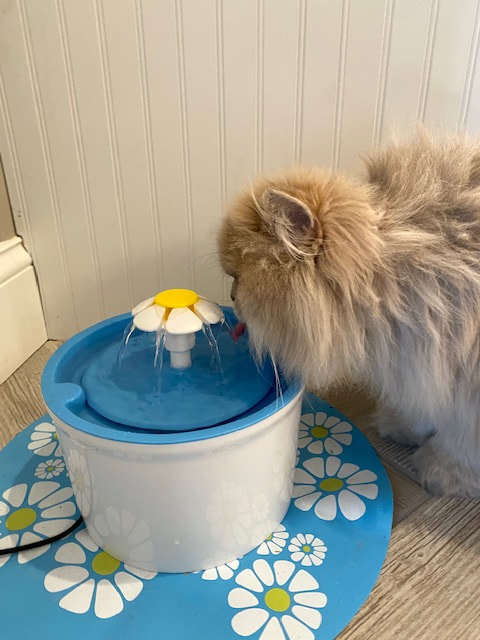
Stainless steel or ceramic dishes are best (I use stainless steel). I do not recommend plastic dishes for cats, as some cats develop a chin rash from plastic; also, softer plastic scratches, which provides a harbor from bacteria (possibly a case of cause-and-effect here.)There are a number of non-tip stainless steel bowls available for pets. If you prefer decorated ceramic dishes, make sure the glaze is lead-free. Automatic food and water servers are especially nice if the humans will be gone for lengthy periods during the day. e.g., job or school. Most cats love the pure, fresh taste of running water, and automatic water dispensers ensure a constant supply of clean water.
Stainless steel or ceramic dishes are best (I use stainless steel). I do not recommend plastic dishes for cats, as some cats develop a chin rash from plastic; also, softer plastic scratches, which provides a harbor from bacteria (possibly a case of cause-and-effect here.)There are a number of non-tip stainless steel bowls available for pets. If you prefer decorated ceramic dishes, make sure the glaze is lead-free. Automatic food and water servers are especially nice if the humans will be gone for lengthy periods during the day. e.g., job or school. Most cats love the pure, fresh taste of running water, and automatic water dispensers ensure a constant supply of clean water.
Toys
All cats love to play, and your bonding time will begin by playing with Kitty and her toys. The "fishing pole, dangling lure" kind of toy is a big favorite for interactive play. Just make sure it is sturdy enough that small kittens won't tear off feathers, etc. from the dangling part. Catnip mice are a perennial favorite. Kitty houses and climbing posts can run the gamut from simple cardboard creations, to custom built "cat furniture" combinations running several hundred dollars.
All cats love to play, and your bonding time will begin by playing with Kitty and her toys. The "fishing pole, dangling lure" kind of toy is a big favorite for interactive play. Just make sure it is sturdy enough that small kittens won't tear off feathers, etc. from the dangling part. Catnip mice are a perennial favorite. Kitty houses and climbing posts can run the gamut from simple cardboard creations, to custom built "cat furniture" combinations running several hundred dollars.
Cat Carrier
If you are flying into St. Louis to pick up your kitten, you must bring a small soft carrier with you to bring your kitten onto the plane. You can find them almost anywhere, from Walmart to Target to Petsmart and many options online. Just be sure it is a soft carrier and they will state that they are airline approved. If you are driving to pick your kitten up, you can use either a soft or hard carrier, I personally prefer the soft carrier as I think they are more comfortable.
If you are flying into St. Louis to pick up your kitten, you must bring a small soft carrier with you to bring your kitten onto the plane. You can find them almost anywhere, from Walmart to Target to Petsmart and many options online. Just be sure it is a soft carrier and they will state that they are airline approved. If you are driving to pick your kitten up, you can use either a soft or hard carrier, I personally prefer the soft carrier as I think they are more comfortable.
Litter Box & Litter
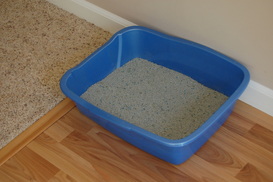
I use a standard rectangular shaped litter box, I do not use an automatic litter box so I do not recommend this in the beginning as it is important to keep these things the same for a new kitten in new surroundings.
I personally use traditional cat litter until my kittens are about 7 weeks old, then I switch to Tidy Cat Scoopable Clumping Cat Litter. If you bring home one of my little darlings, I would advise you to start your kitten with this, as that is the type they are already used to. You can change that in a month or so if you wish, but in the beginning, I think it is best to stick with what your kitten is already used to.
A Bed (Optional, but Recommended)
It's still a good idea to provide kitty with his or her own special, cozy place for napping. The bed should be comfortable, easily washable and spacious enough for an adult cat to curl up comfortably, but not so vast that baby feels exposed and vulnerable. Once baby is not in a small room for the initial period, baby may prefer to sleep with you.
I use a standard rectangular shaped litter box, I do not use an automatic litter box so I do not recommend this in the beginning as it is important to keep these things the same for a new kitten in new surroundings.
I personally use traditional cat litter until my kittens are about 7 weeks old, then I switch to Tidy Cat Scoopable Clumping Cat Litter. If you bring home one of my little darlings, I would advise you to start your kitten with this, as that is the type they are already used to. You can change that in a month or so if you wish, but in the beginning, I think it is best to stick with what your kitten is already used to.
A Bed (Optional, but Recommended)
It's still a good idea to provide kitty with his or her own special, cozy place for napping. The bed should be comfortable, easily washable and spacious enough for an adult cat to curl up comfortably, but not so vast that baby feels exposed and vulnerable. Once baby is not in a small room for the initial period, baby may prefer to sleep with you.
IT IS VERY IMPORTANT TO SCOOP YOUR LITTERBOX EVERYDAY!!!!! CATS ARE VERY CLEAN ANIMALS AND DO NOT WANT TO STEP IN THEIR OWN FECES. KEEP YOUR LITTERBOX CLEAN, AND BE KIND TO YOUR KITTY.....SCOOP EVERYDAY!!!! BELOW IS THE LITTERBOX YOUR KITTEN IS USED TO, THIS IS THE KIND TO GET TO START WITH.
Make Appointment for a Vet Visit
If you are purchasing a kitten from me, your kitten have already will have received at least one set of kitten shots. The health vaccination record will come home with your kitten. If you will be picking your kitten up in person, I will give you this at that time. if you are receiving your kitten via flight nanny, it is very important to make sure the nanny gives you this paperwork. Sometimes in the excitement this little detail is forgotten so please be sure to get it from the nanny otherwise it has to be mailed by the nanny and can take a while to arrive. The next set of kitten vaccinations are normally due two to three weeks after you bring your kitten home. As a precaution your kitten will have already been dewormed and preventative treatment for internal parasites. Are cats are strictly indoors and we do not have any fleas or ticks. If you keep your kitten indoors and never take them outside, flea treatment is not necessary. If you plan to take your kitten out in the backyard for supervised play, then you will need to put your kitten on a flea treatment. I do not have fleas and do not have any recommendations on flea products because I am not familiar with them and therefore have no experience with what to use, this would be something to ask your vet. My kittens are from DNA PKD negative, Feline Leukemia and FIV negative parents, so having these test done are an unnecessary expense.
Creating a Safe Room
Keep your kitten in a bathroom or a seldom-used bedroom for the first week at your home. The important thing is that your new kitten has a place he can call "home," where he can retreat and rest. He may voluntarily choose to socialize with you and other family members, but for now, let him decide whether to hide or mingle. It may take several days to a week for your kitten to feel comfortable in the new surroundings. Furnishings for Kitty's Safe Room
If you are purchasing a kitten from me, your kitten have already will have received at least one set of kitten shots. The health vaccination record will come home with your kitten. If you will be picking your kitten up in person, I will give you this at that time. if you are receiving your kitten via flight nanny, it is very important to make sure the nanny gives you this paperwork. Sometimes in the excitement this little detail is forgotten so please be sure to get it from the nanny otherwise it has to be mailed by the nanny and can take a while to arrive. The next set of kitten vaccinations are normally due two to three weeks after you bring your kitten home. As a precaution your kitten will have already been dewormed and preventative treatment for internal parasites. Are cats are strictly indoors and we do not have any fleas or ticks. If you keep your kitten indoors and never take them outside, flea treatment is not necessary. If you plan to take your kitten out in the backyard for supervised play, then you will need to put your kitten on a flea treatment. I do not have fleas and do not have any recommendations on flea products because I am not familiar with them and therefore have no experience with what to use, this would be something to ask your vet. My kittens are from DNA PKD negative, Feline Leukemia and FIV negative parents, so having these test done are an unnecessary expense.
Creating a Safe Room
Keep your kitten in a bathroom or a seldom-used bedroom for the first week at your home. The important thing is that your new kitten has a place he can call "home," where he can retreat and rest. He may voluntarily choose to socialize with you and other family members, but for now, let him decide whether to hide or mingle. It may take several days to a week for your kitten to feel comfortable in the new surroundings. Furnishings for Kitty's Safe Room
- A Place to Sleep
A nice little kitten bed, or carrier or blanket for baby to sleep on.
A Litter Box
A clean litter box is an essential. A standard rectangle litter box with Tidy Cat Free & Clean Unscented clumping litter.
Food and Water Bowls Choose sturdy, tip-proof bowls (see Shopping List). Be sure to separate the feeding station from the litter box, as cats are pretty fastidious about their habits.
A Scratching Post
I find that my cats like scratch posts made of sisal the most. When you purchase a scratch post google sisal scratch post. I also have a sisal welcome rug that they love. - Toys
Once your newest family member has adjusted a bit, he will want to exercise by playing. Rolled-up wads of paper will do, but I suspect you've loaded up on commercial toys during your shopping trip. Kittens are just like children, when you get them a new toy, they LOVE it, for about two days, then they want something new. I suggest rotating toys, to avoid them getting bored of all of their toys:-)
Let Your Kitten Set the Pace
As he becomes more familiar with his surroundings and with his new human(s), your cat may want to try exploring. If his "safe room" is a corner of a larger room, this will progress naturally. If he is confined in a room, you will learn to read his body language. If he regularly rushes to meet you as soon as you enter, it may be time to open the door a crack to facilitate his exploring. If you have other cats or dogs in the home, you'll need to make sure your new cat is fully integrated with the rest of your four-legged family. Do not introduce your baby to your other pets for the first week. Allow then to smell each other under the door but do not introduce until your current pet has had the chance to acclimate to the smell of a new kitten in the house. Rushing the introduction phase is probably the biggest mistake that new kitten owners make. It is so important to take this stage very slow so that current kitty can accept new kitty. As always, patience is the key word.

A few more optional items:
Not necessary but many ask for recommendations on these products
All information on this site is my opinion. I am not a liscensed veteranarian. It is up to you to do your own research on how you would like to feed and care for your cat.